Welcome to Thesindhi.com, a website that offers resources to help you achieve a better night’s sleep. Our name may seem unrelated to mattresses and sleep initially, but upon closer analysis, the connection becomes clearer. We strive to promote a calming and relaxing environment for our readers, which is why we offer content related to relaxation techniques and mindfulness practices that can promote better sleep.
We understand the importance of having a comfortable mattress for a good night’s rest. That’s why we’ve teamed up with experts in the industry to bring you comprehensive guides on finding your perfect mattress. But it doesn’t end there; we also realize the need for maintaining your sleeping sanctuary from pests like bed bugs. That’s where our “Mattress Bed Bug Removal Guide” comes in – providing tips on how to effectively get rid of these pesky insects.
Our aim is not just limited to nighttime sleep either. With our article selection focused on optimizing nap time as well, you can expect tips on creating a relaxing environment for daytime rest or promoting power napping throughout your day.
As far as cultural traditions impacting mattress design and use go, we acknowledge how different cultures prioritize various aspects of mattress construction based on their preferences and habits when it comes down to getting some shut-eye time. At Thesindhi.com, we believe that incorporating mindfulness practices into one’s bedtime routine can significantly impact the overall quality of their sleep experience positively.
With all this said, making sure you have an appropriate balance between comfortability with your bedding materials while keeping harmful pests at bay is essential if you want quality rest time overall – something that Thesindhi.com aims always exceeding expectations towards achieving better restful nights ahead!
If you’d like to bring a touch of India into your bedroom, consider purchasing one of the many Indian bed designs available. Many of these designs are made in Sheffield, and they can look beautiful with other bedroom furniture and accessories. If you’d like to get as creative as possible with your bedroom design, you can also buy interesting or unusual accessories from other cultures to incorporate into your bedroom.
The first thing to consider when choosing an Indian bed design is where you’d like to place it. You’ll want to avoid placing it near any source of light, but also make sure you have room for walking around the room. Also, make sure you have enough room to open cabinets and drawers. Also, consider the colour scheme of the room. Color schemes that are relaxing and soothing, such as blue or green, can make your room a haven for rest.
Indian bed designs are very relaxing, which is exactly what you want in your bedroom. You may want to consider adding some personal pictures or wall art to the walls. However, don’t go overboard with these pieces, as they can distract from the relaxing effect. In addition, make sure you have proper lighting for your room. Lighting is an art form in interior design, so pay close attention to how much light comes in.
Indians love to fill their homes with color and warmth. They like to reflect their culture and traditions in the way they decorate their homes. The bedroom is no exception, as it is a special room in the house. It’s where people gather their forces and relax. An Indian bed can add a little spice to your bedroom without going overboard.
Aside from the bed itself, you can also choose to add mismatched bedside tables. Teakwood nightstands and classic tile tables are both good options. You can even buy a sanduk, which is a wooden chest of drawers. Adding a mirror to the bedroom can make it more eclectic.
Choosing the right size for your room is very important. You should carefully measure the room in which you’d like to place your bed, and then compare the measurements with the dimensions of the items you see online. A large bed is one of the biggest furniture units in your home, and it’s important to make sure it’s the right size for your room.
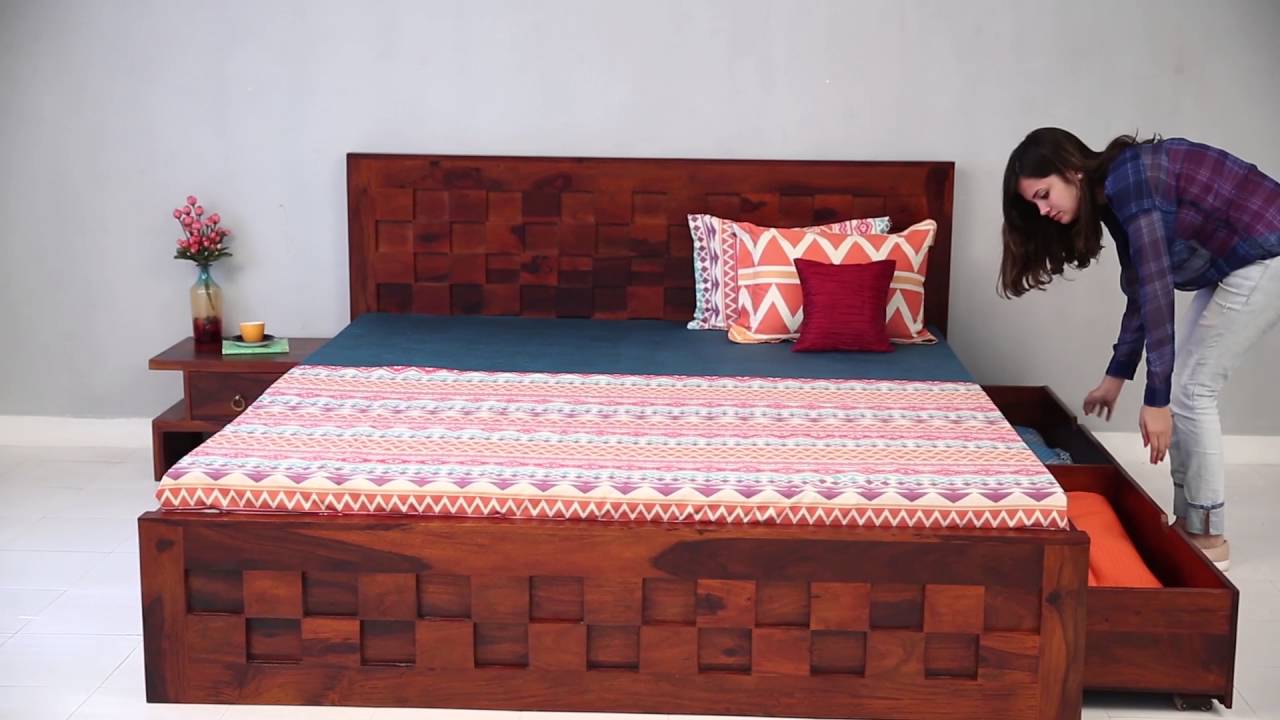
Today’s beds are also more functional than ever. Some are equipped with hydraulic lifts, while others have side storage in the form of drawers or cabinets. This makes it much easier to keep your bedroom organized. The perfect blend of traditional style and modern function is the key to a comfortable night’s sleep.
Indian carved bed
If you are interested in buying or selling Carved Bed from India, the first step is to choose a reliable supplier. You must choose a supplier that offers competitive prices and is reliable. Make sure to check the supplier’s quality and past trade history before making a decision. There are many Indian carved bed suppliers from which to choose.
A traditional Indian carved single bed can be a great alternative to a couch in the living room. Cover it in a local traditional print or simply go with a plain single-colour bed-sheet to highlight its charm. For a decorative touch, place vases filled with artificial flowers or real flowers.
Indian canopy bed
India is one of the countries that trade with the world in Canopy Bed. There are various distributors of Canopy Bed in India. These are listed below, organized by state and city, and by service areas. Selecting the right distributor for your business will depend on several factors, including price, quality, reliability, and trading history.
The Indian Hand Carved Canopy Bed features an elegant, Mediterranean-inspired canopy bed, with a triple arch Jhulla style headboard, a design that is typically found in traditional Indian swings. It is crafted from 100% plantation-sustainable Sheesham wood and finished with a dark espresso stain. Due to the handmade nature of this product, dimensions will vary by a couple of inches.
An Indian canopy bed is a great option if you want to give your bedroom a royal feel. It adds a sense of luxury and vintage charm. These beds feature metal or wooden pillars and are 84 inches long, 75 inches wide, and seventy-two inches high. They are also a practical and convenient way to store items. The wood used for this type of bed is very durable, making it a great choice for a royal bedroom.
Indian platform bed
If you’re an importer or exporter of Platform Bed from India, Connect2India can help you find a supplier who can provide you with the best price and quality. The platform gives you access to Platform Bed suppliers across India, with complete contact details, trade history, registration details, criminal charges, and certifications. Connect2India can also find suppliers in your area, so you don’t have to travel far to find the products you need.
In addition to their sturdy and comfortable construction, heirloom-quality beds are available with two storage drawers on either side. The drawer closest to the footboard has a faux drawer front. These drawers are great for keeping clothes or storing other bedroom items. If you’d like a headboard, this bed doesn’t come with one, but you can always add your own.
Platform beds are available in different styles, sizes, and colors. Some are solid wood, while others are made of engineered wood or metal. Material selection is important because it affects the durability of the bed. Choose a style that fits your aesthetic needs. Most platform beds are built to last for decades. Pepperfry offers a wide range of affordable, stylish platform beds.
One of the main benefits of a platform bed is that you can customize it to suit your exact needs. This is important for people who do not have a lot of space in their homes, but want a high quality of sleep. They also don’t require the same amount of set-up as a sofa bed, so they are a great option for people who have limited space.
Another benefit of a platform bed is the comfort it offers. Unlike traditional sofa beds, platform beds feature slats in the floor to support the mattress. They’re also good for heavier individuals and those who tend to toss and turn during the night. They’re also low to the ground, making them ideal for shorter people.
Indian sofa bed
Indian Sofa Bed is a widely traded product in many countries around the world. When importing or exporting a Sofa Bed, it is important to find a reputable and reliable supplier. There are many important factors that must be taken into consideration when choosing an Indian supplier, including price, value for money, reliability, and past trade history. If you are planning to import or export Sofa Bed from India, then Connect2India can help you find a reputable supplier.
Daybed Indian: Daybed Indian features a rustic finish. It is often finished in black, blue, or whitewash for a more rustic look. The rich finish makes it an excellent choice for both modern and kesian interiors. Whether you’re going for a traditional look or a modern twist, you’ll be able to find an Indian Sofa Bed to match your style.
Shaped Sofa: Shaped sofas are increasingly popular these days, and are ideal for oddly shaped interiors. They also save space. You’ll find several options at Pepperfry. For instance, the Ines Sofa Cum Bed in Sandy Brown Colour offers a subtle colour scheme, while the Cordoba Sofa Cum Bed with Lounger and Storage offers an equally contemporary look.
Material: Choosing a sofa cum bed that’s made of wood is the best option. If you can find a quality wooden sofa cum bed, you can rest assured it’ll last a long time. Make sure the cushions are comfortable and durable. A good sofa cum bed should fit the space you have available in your home.
Style and Comfort: A sofacumbed needs to look its best. That’s why most of them feature removable covers that can be washed and replaced. That way, you can change up the colour of your sofa whenever you want. Choosing the right Indian sofa bed is a smart move that will last for years to come.
Functionality: The sofa cum bed is the ideal solution for compact homes. It serves as both a sofa and a bed, and is versatile enough to serve as a guest bed. During the day, it can be used as a couch, but at night, it converts to a comfortable bed. It is available in single and double sizes.